


Provider burnout is a silent killer of your practice’s profitability and valuation. It drives up turnover, damages patient satisfaction, and erodes the value of your business, whether you’re planning for growth strategies for independent healthcare practices in 2025 or an eventual exit.
The financial impact is undeniable. Replacing a single physician can trigger massive costs in recruitment fees, lost revenue, and training. Burned-out providers are also less productive and more prone to errors, creating significant operational and liability risks.
Replacing a single physician can cost your practice between $500,000 and $1 million. Burnout is a direct threat to your bottom line.
The good news? Burnout is a solvable business problem. Practices that address it systematically don’t just retain their top talent—they build more resilient, valuable, and successful businesses.
Why Is Provider Burnout a Threat to Your Practice’s Value?
Burnout isn’t just a bad week. It is a state of chronic workplace stress defined by three core symptoms: emotional exhaustion, detachment from patients, and a feeling that the work no longer matters.
For a practice owner, this translates directly into business threats. Burned-out providers are far more likely to leave, triggering costly and disruptive turnover. Their disengagement is often noticed by patients, leading to lower satisfaction scores and a damaged reputation.
From a practice valuation standpoint, high turnover and low provider morale are major red flags for any healthcare M&A advisory team. Potential buyers and partners want to see stable, engaged clinical teams, not a revolving door of staff.
Practices with high burnout rates command lower valuations and struggle to attract acquisition interest. Understanding how to value a medical practice in 2025 is essential, and provider stability is a key component of that valuation.
What Are the Financial and Operational Warning Signs of Burnout?
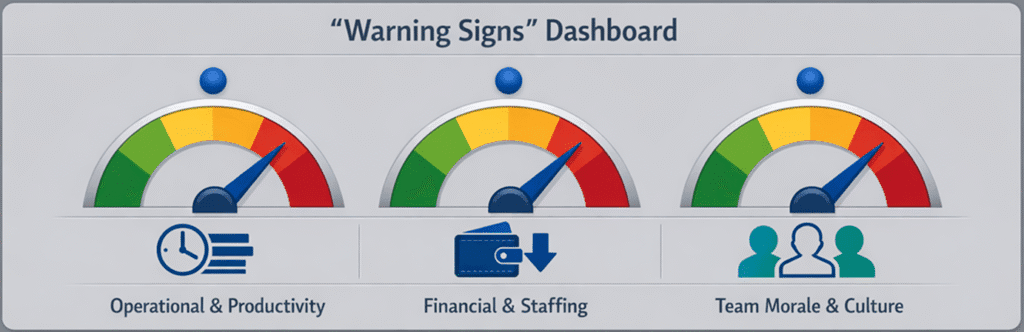
Before a provider resigns, the warning signs of burnout often appear in your operational and financial data. As a practice owner, you can spot these trends early and intervene before they escalate into a crisis. These symptoms are indicators of systemic stress.
| Indicator Category | Specific Signs to Monitor | Impact on Practice Value |
| Operational & Productivity | Increased documentation time per patientDrop in daily patient volumeMore frequent patient complaintsProviders leaving exactly at closing time | Reduced revenue and efficiencyIncreased risk of medical errorsNegative impact on reputation |
| Financial & Staffing | Higher rates of absenteeism and sick daysIncreased reliance on costly locum tenensDifficulty recruiting and retaining talent | Increased overhead and staffing costsSignals team instability to buyersLowered practice valuation |
| Team Morale & Culture | Providers are short with staff or patientsLess participation in meetings or committeesGeneral cynicism or negative attitude | Toxic work environmentContributes to wider staff turnoverIndicates poor leadership and culture |
What’s Really Driving Burnout in Your Practice?
Many owners mistakenly believe burnout is an individual’s failure to cope with stress. The data shows this is wrong. Burnout is a systems problem, driven by the work environment you create.
The primary drivers are operational, not personal. Excessive workloads, overwhelming administrative burdens, and a lack of autonomy are the most common culprits. When providers are scheduled back-to-back without adequate support, they burn out. When they spend more time navigating a clunky EHR and other technology integration challenges, they disengage. When they have no input on schedules or clinical workflows, they feel powerless.
The solution is to fix the broken processes causing the stress rather than asking your team to be more resilient.
How Can You Systematically Prevent Provider Burnout?
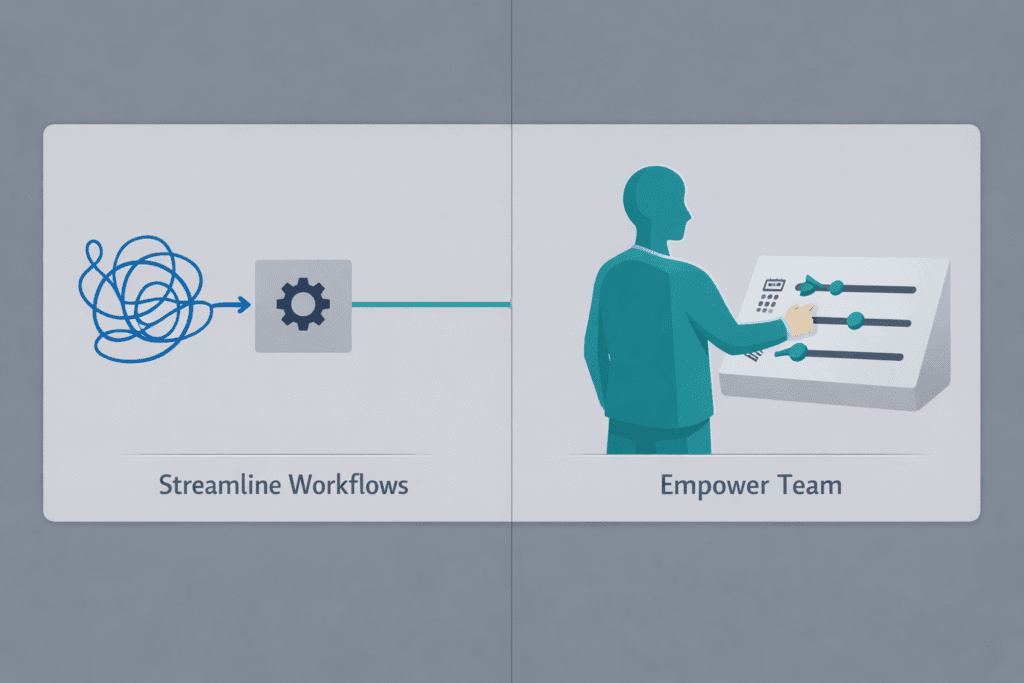
Preventing burnout is an investment in your practice’s core asset: your people. This requires a two-pronged approach focused on optimizing your operations and empowering your team.
First, streamline workflows and attack administrative waste. Every hour a provider spends on non-clinical tasks is a direct loss to your bottom line and your practice’s Adjusted EBITDA. Invest in solutions like medical scribes or
AI-driven clinical decision support systems to cut documentation time. Audit your EHR and other technologies to ensure they are helping, not hindering, clinical efficiency.
Second, grant autonomy and build flexibility into your scheduling. Trust your providers to manage their clinical decisions and give them a voice in designing workflows.
Maintaining clinical autonomy post-sale is a major concern for physicians, and building it into your culture now makes your practice more attractive. Furthermore, offering flexible scheduling options like compressed workweeks or part-time roles is a critical retention tool.
Autonomy is one of the most powerful buffers against burnout. Practices that treat providers like trusted partners, not interchangeable cogs, will always win the war for talent.
Finally, lead by example and foster a supportive culture. If you, as a leader, are sending emails at midnight and never take a vacation, you are setting a tone of perpetual urgency. Model healthy work-life boundaries. Invest in confidential, easily accessible mental health resources through an EAP and destigmatize their use. A culture where colleagues support each other is a tangible asset that directly contributes to a more stable and valuable practice.
What Resources Should You Provide for Burnout Support and Recovery?
If you already have burned-out providers, recovery is possible with intentional action. Start by acknowledging the problem in honest, one-on-one conversations. Ask what needs to change and be prepared to act on that feedback, whether it involves a temporary leave, a reduced patient load, or a change in role.
Ensure your team knows where to turn for confidential help. Make these resources visible and easy to access:
- Immediate Crisis: National Suicide Prevention Lifeline (988) and the Physician Support Line (888-409-0141).
- Professional Support: Your practice’s EAP, state medical society physician health programs, and organizations like the Dr. Lorna Breen Heroes’ Foundation.
- Therapy: Directories like Psychology Today allow users to find therapists who specialize in supporting healthcare professionals.
The Bottom Line for Practice Owners
Provider burnout is a hard business problem that directly impacts your practice’s financial health, sustainability, and market value.
Practices that prioritize provider well-being achieve lower turnover, better patient outcomes, and higher profitability. They are more attractive to top recruits and command superior valuations in the M&A market. Learning how to maximize the valuation of your healthcare practice before selling starts with investing in your team.
Start with an honest assessment of your practice. Talk to your providers. Use their feedback to make targeted, incremental changes. Building a culture that prevents burnout is one of the smartest business decisions you can make.
At SovDoc, we know that a healthy team is the foundation of a high-value practice. We work with owners who understand that investing in their people is the surest path to sustainable growth and a successful exit. If you’re ready to build a more resilient and valuable practice, let’s talk about creating a culture where both your people and your performance thrive.